Who Actually Owns Your Website? Domains, Hosting and Logins Explained
Marco Custodio
October 30, 2026 · 7 min read

Most business owners assume that if they've paid for a website, they own it. Usually that's only partly true. A website is really a few separate things, and it's very common for the business to control only some of them.
It rarely matters until something goes wrong. A developer moves on, the domain is about to expire, or the site breaks and nobody can find the login. At that point, "who actually has access to this?" becomes the most important question in the company.
This post explains what you should own, what it's reasonable to share with a supplier, and how to check where you stand in about ten minutes.
When people say "my website", they usually mean one of these:
The Domain Name
Your address, for example yourbusiness.co.uk.
Hosting
The server where your site files and database live
The Site Itself
The design, code, content and CMS
Accounts and Logins
Your CMS admin, analytics, DNS, email and any third-party tools
The one you should almost always own
Your domain is your business's address. Your website, your email and your search rankings all depend on it, so losing control of it is much worse than losing a design file.
Two terms are worth knowing:
- The registrant is the legal owner of the domain. This should be your business.
- The registrar is the company that manages the registration, where the account and renewals live. GoDaddy, 123 Reg and Namecheap are examples.
The usual trap is a domain registered by a developer or agency in their name, in their account, with their email address on file. It works fine until they stop replying, close the account or go out of business. Then you can't renew it, move it or prove it's yours.
What you want instead:
- Your business is the registrant.
- The account is in your name, with a company email address and not a personal one that disappears when someone leaves.
- Renewal reminders go to someone who will actually read them.
- Auto-renew is on, with a card that isn't about to expire.
One thing worth knowing: .co.uk and .uk domains move between registrars a little differently from .com. Instead of an authorisation code, they use an "IPS tag", which identifies the registrar responsible for the domain. The new registrar gives you its tag, and the current one changes it. Changing the tag only moves the registrar, not the ownership, so the registrant details need to be right in the first place.
Hosting
Who pays, and whose account is it? There are a few common set-ups:
- In your name. You hold the account and your agency gets access to build and maintain the site. This gives you the most control and the easiest exit.
- In the agency's account. The agency hosts your site on its own server and usually includes it in a monthly fee. It can be convenient, and sometimes better value, but you rely on the agency for access and continuity.
- On a platform. With Wix, Squarespace or Shopify, hosting comes with the platform, so the account to control is your account with them.
Neither of the first two is automatically wrong. Agency-managed hosting can be a very good service, especially when it includes monitoring, backups and security, as we covered in DIY vs. Agency Website Maintenance. What matters is that you know which one you have, and that you could get a full copy of your site if you ever needed to leave.

The site itself
Who owns the design, code and content usually depends on your contract, so it's worth checking. The answer is often less obvious than "I paid for it, so it's mine".
Things to look for:
- When ownership passes to you. Does the contract say what's yours once the final invoice is paid?
- Content and images. You should own your text, photos and brand assets. Check that any stock images are licensed for your use.
- Themes, plugins and third-party code. Most of these are licensed, not owned. A premium WordPress theme or plugin often needs its own licence, and some are tied to the developer's account, not yours.
- Source files. Can you get the design files, the full code and a copy of the database?
If you chose your CMS for a good reason, as we discussed in Does Your Business Really Need a CMS?, it's also worth asking who holds the licences for any paid parts of it.
Logins
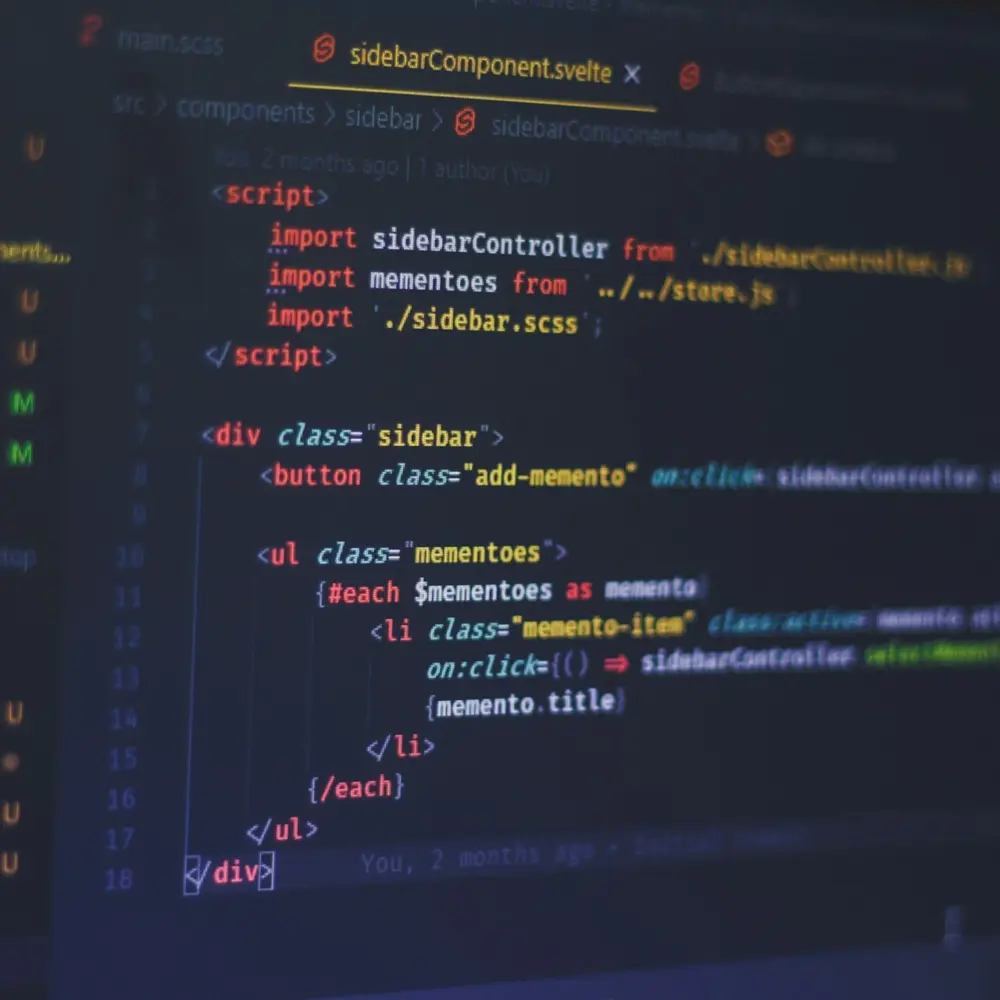
Most handover problems come down to access. A few habits make a big difference:
- Your own admin account on your CMS, so you don't depend on someone else's login.
- A separate account for each person. That way, someone's access can be removed without changing everyone's password.
- Two-factor authentication on the important accounts, with recovery details that belong to the business.
- A password manager, not credentials sent by email or kept in a spreadsheet.
- Ownership of Google Analytics, Search Console and your Google Business Profile. They hold years of data and they often end up under a supplier's login.

The ten-minute ownership check
Try answering these without asking anyone for help:
- Can I log in to my domain registrar account right now?
- Is my business the registrant, and is the email on file one I can access?
- When does the domain expire, and is auto-renew on?
- Whose name is the hosting account in, and who pays for it?
- Do I have an admin login for my CMS?
- Do I own the Google Analytics and Search Console accounts?
- Do I know where the backups are kept, and who could restore them?
- Does our contract say what I own once the site is paid for?
If you weren't sure about more than a couple of these, don't worry. It's very common, and all of it can be sorted.
If you've found a gap
Start with a friendly question. Most gaps happen because it was quicker to set things up that way at the start of a project, not because anyone meant harm. Something like "We're doing some housekeeping and would like our own logins for everything. Could you help us get set up?" usually gets a good response.
If you need a more formal handover, ask for:
- The domain moved into an account in your name, or the registrant details corrected
- A list of every service the site depends on
- Full admin access to your CMS and hosting
- A complete backup of the files and database
- Written confirmation of what you own
How we approach it
Ideally, the client owns as much as possible. When we can, we register the domain and set up the accounts in the client's name from day one, and we get access to work on them. Not the other way round.
Sometimes that isn't possible. If the hosting runs on our servers, for example, the client can't hold the account. In that case you should still know exactly what sits where, how to get a full copy of your site if you ever need one, and have it written down. It's much easier to agree this at the start than to sort it out when something has gone wrong.
Not sure where you stand?
If you'd like a second pair of eyes on your domain, hosting and access set-up, get in touch and we'll go through it with you, whether or not you're a client. Contact us.

Written by
Marco Custodio
blogs
Our experts share their insights on all things brand, design and digital. We keep our fingers on the pulse, making sure we’re always ready to give our partners the latest expertise and advice.
Business Profiles in ChatGPT: A New Opportunity for Businesses to Get Discovered Through AI
ChatGPT is becoming more than just a place to ask questions. It's increasingly being used to research companies, compare services and make purchasing decisions. Now, OpenAI is giving businesses a new way to manage how they appear on the platform.
Who Actually Owns Your Website? Domains, Hosting and Logins Explained
Most business owners assume that if they've paid for a website, they own it. Usually that's only partly true. A website is really a few separate things, and it's very common for the business to control only some of them.
DIY vs. Agency Website Maintenance: An Honest Comparison
Every business reaches the same point sooner or later. The site is slow, or a plugin update has broken the contact form, or the hosting bill has gone up, and someone asks: "Can't we just handle this ourselves?"

Business Profiles in ChatGPT: A New Opportunity for Businesses to Get Discovered Through AI
ChatGPT is becoming more than just a place to ask questions. It's increasingly being used to research companies, compare services and make purchasing decisions. Now, OpenAI is giving businesses a new way to manage how they appear on the platform.

Who Actually Owns Your Website? Domains, Hosting and Logins Explained
Most business owners assume that if they've paid for a website, they own it. Usually that's only partly true. A website is really a few separate things, and it's very common for the business to control only some of them.
DIY vs. Agency Website Maintenance: An Honest Comparison
Every business reaches the same point sooner or later. The site is slow, or a plugin update has broken the contact form, or the hosting bill has gone up, and someone asks: "Can't we just handle this ourselves?"